
Open-source alternative

App Manager
The open-source alternative to File Manager
Replaces / compared to
Health score history
Tracked when GitHub metrics sync. Max one snapshot per 6 hours if unchanged.
+0.1 pts
Latest: 90.1/100 · 9,637 stars
In-depth guide to App Manager
Editorial overview for operators and evaluators · 634 words
App Manager sits in the growing class of open-source products teams evaluate when they want more control than a fully managed commercial stack such as File Manager. Unlike brochure pages that only celebrate features, this guide focuses on the practical questions operators ask before a pilot: licensing posture, language and runtime fit, self-host effort, and whether the community around the repository still looks active. The project is associated with a AGPL-3.0 license in our catalog, which is a starting point for legal review rather than a substitute for reading the full license text and any additional terms published by the maintainers. Its primary language is listed as Java, a detail that influences hiring, security tooling, and how easily your existing SRE or platform team can own the service after launch.
Most organizations do not adopt App Manager because open source is fashionable. They adopt it when data residency, customization, predictable cost at scale, or independence from a single vendor roadmap becomes a board-level concern. If your current workflow is built around File Manager, treat App Manager as a candidate for a controlled migration path: mirror a non-critical workspace first, measure latency and admin overhead, then decide whether a hybrid or full cutover is justified. Self-host difficulty is rated 3 out of 5. Expect a real install guide, environment variables to get right, and some ongoing maintenance rather than a one-click appliance experience. Even without a packaged Compose file in our listing, most mature open-source products publish official containers or Helm charts; verify those upstream before you standardize on a home-grown install script.
Community health is imperfectly measured, yet a few signals still help. GitHub stars and forks describe attention, not quality. Open issues describe workload, not neglect. Release cadence and maintainer response patterns often matter more than any single vanity metric. In our last sync, App Manager showed roughly 9,637 stars and 533 forks. Open issues were recorded at about 198. A higher count is not automatically bad if triage is active and critical defects close quickly. Our composite health score currently sits near 90.1. That score blends repository activity and related checks so you can sort candidates faster; it is not a certification. Always read the upstream repository and recent commits directly. Metrics on this page can lag, and maintainers sometimes move development to a different default branch or organization.
A disciplined evaluation of App Manager usually follows four steps. First, confirm the license and any CLA or enterprise dual-license model matches how you ship software, including internal tools and customer-facing SaaS. Second, validate authentication, backup, and upgrade stories. The best feature set fails if restore drills are unclear or major versions require multi-day downtime. Third, test integration surface area: APIs, webhooks, SSO, and export formats. Migrations die when data cannot leave cleanly. Fourth, estimate total cost of ownership. Cloud subscriptions are visible on an invoice; self-hosting moves cost into people, observability, and incident response. Because App Manager is primarily associated with Java, align the pilot with engineers who already operate that stack so review comments stay concrete.
If App Manager looks promising, bookmark this page, star the upstream project only after you have skimmed the README and security policy, and schedule a time-boxed proof of concept with success criteria written down in advance. The project website and documentation should be your source of truth for install steps and supported versions. The public repository remains the best place to inspect issues, pull requests, and release notes before you commit budget. You can also open the proprietary product pages for File Manager on this site to compare other open-source options side by side, then shortlist two candidates instead of ten. Finally, involve security and legal early. Open source reduces license fees; it does not remove due diligence. A calm pilot with clear owners beats a rushed production cutover every time.
Questions teams ask about App Manager
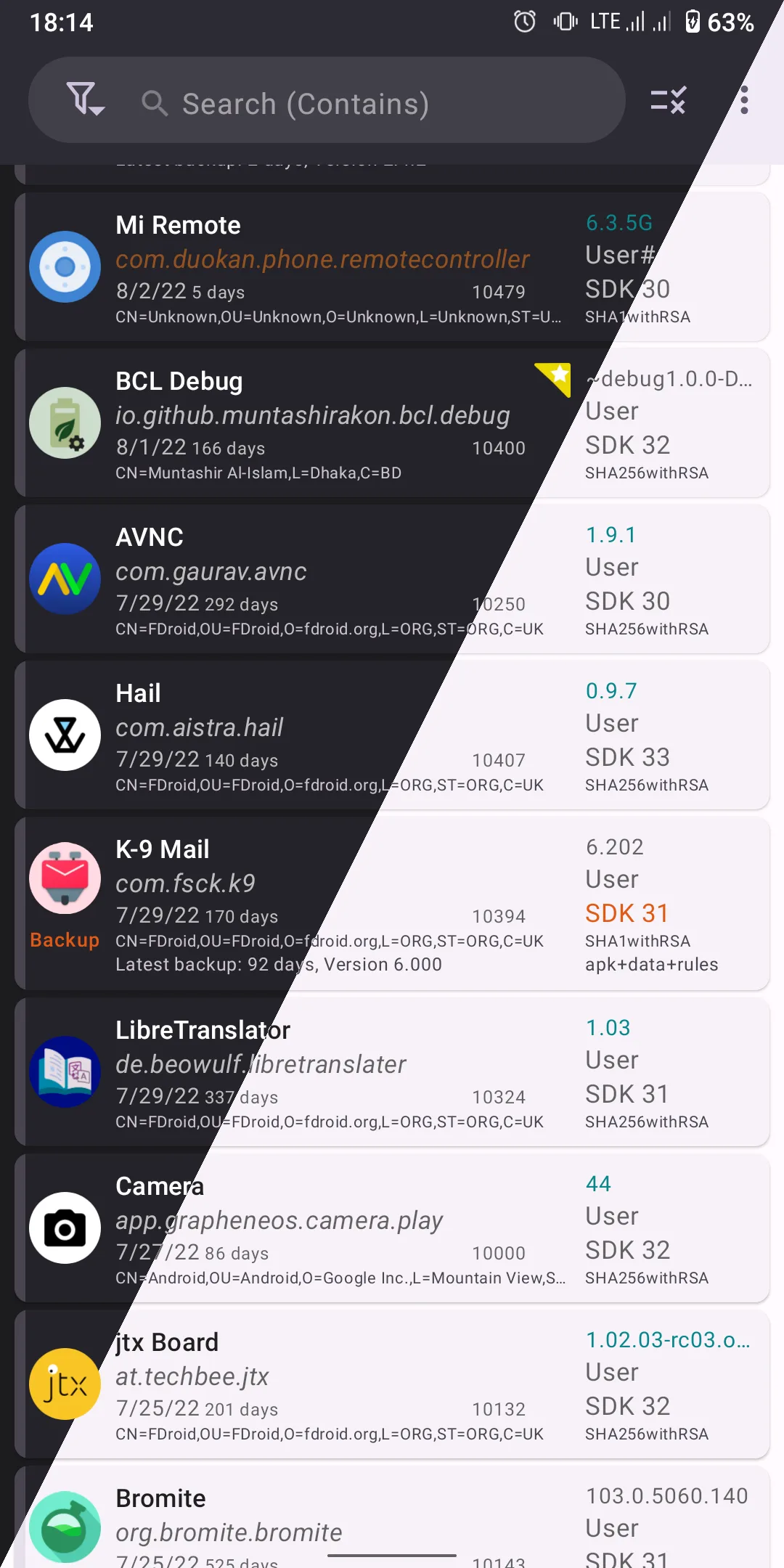
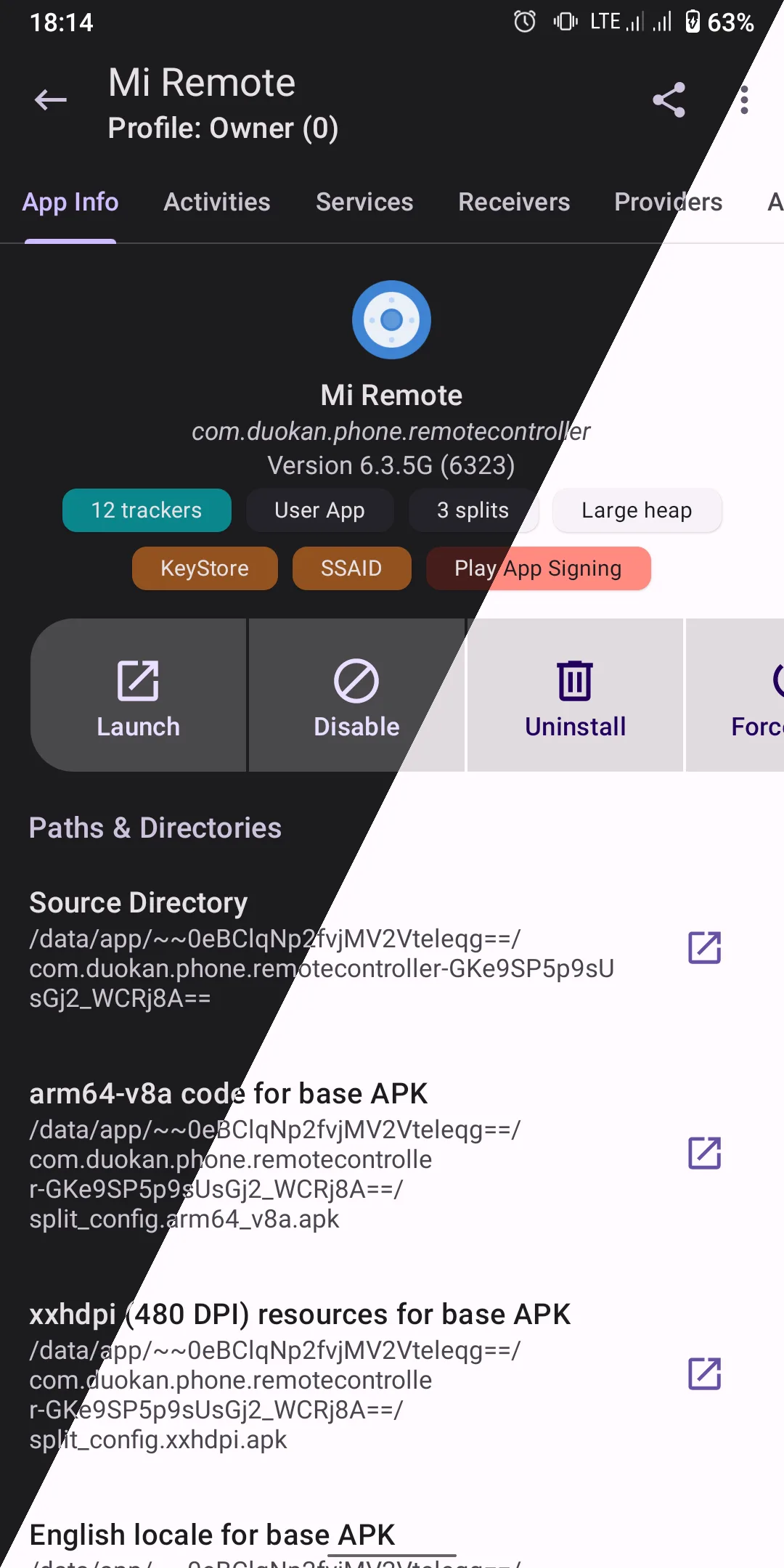
Screenshots
Pros & cons
Community insights — upvote what resonates.
Pros
No pros yet. Be the first.
Cons
No cons yet. Be the first.
Compared to proprietary tools
Related alternatives
Amaze File Manager
Open-source alternative to File Manager
AmazeFileManager is a free, self-hostable open-source alternative to File Manager. Material design file manager for Andr...
Filestash
Open-source alternative to
 Dropbox
filestash is a free, self-hostable open-source alternative to Dropbox. :file_folder: Universal File Storage Client. It i...
PrivateBin
Open-source alternative to
Dropbox
PrivateBin is a free, self-hostable open-source alternative to Dropbox. A minimalist, open source online pastebin where...
Papermark
Open-source alternative to
 Docsend
papermark is a free, self-hostable open-source alternative to Docsend. Papermark is the open-source DocSend alternative...
Discussion
Share experience self-hosting or comparing tools. Be respectful.
No comments yet. Be the first to share.